Tuesday, September 2, 2014

NI Photowalk - Pointe du Hoc

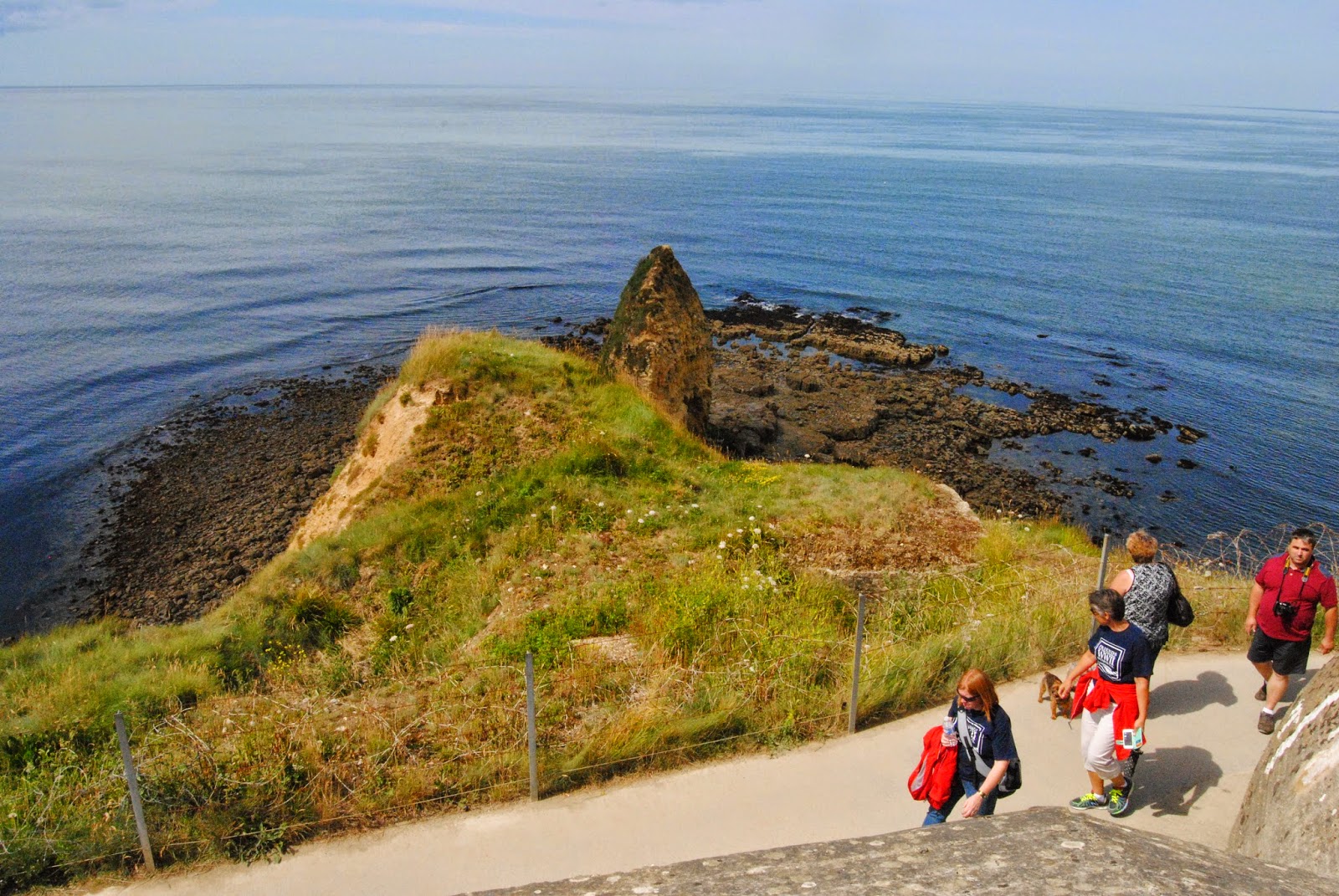
Pointe du Hoc is a steep bluff where the Germans had placed several big guns that had the range to hit both Omaha and Utah Beaches.  The Rangers were tasked with the job of taking out those guns, and it required them to scale these cliffs to reach the German position.


Air support provided help for the Allies, dropping bombs in the fields at the tops of the cliffs.  Deep craters still remain from the shells that were dropped on the German position.


When the Rangers reached the top, the big guns had been moved to an orchard, but it was still a valuable for the Allies to control this spot as the Americans continued over the next several weeks to unload supplies and reinforcements on the two beaches.


This memorial to the Rangers stands at the top of the cliffs, representing the steep climb that the soldiers had to make.


While I was traveling, I got a Facebook message from a lady I had met on one of my previous student tours in England. She told me her youngest daughter was also touring Normandy at the same time.  A few days later, she sent me this picture that her younger daughter had taken.  Her older daughter was on the previous trip, so her younger daughter probably had no idea that she was taking a picture of me.  Small world, huh?

The information panels are new additions to the Pointe du Hoc park.  I thought some of the quotes were very poignant. 


Monday, September 1, 2014

NI Photowalk - Utah Beach and Museum


Utah Beach was the smaller of the two beaches assigned to the American troops, and actually added late in the plan as a fifth beach.  It was this beach where the 4th Division, Eston's unit, landed.  From here, they made their way to St. Mere Eglise, and then turned northward toward Cherbourg.


One of the things that really struck me as I stood on Utah Beach, looking at the water from the defender's perspective, was what must have went through the German's minds when the flotilla emerged on the horizon.  The landing fleet that departed from England was the largest armada ever assembled in history.


Various monuments over look the bluff, including this marker tot he Allied Supreme Commander, General Dwight D. Eisenhower.

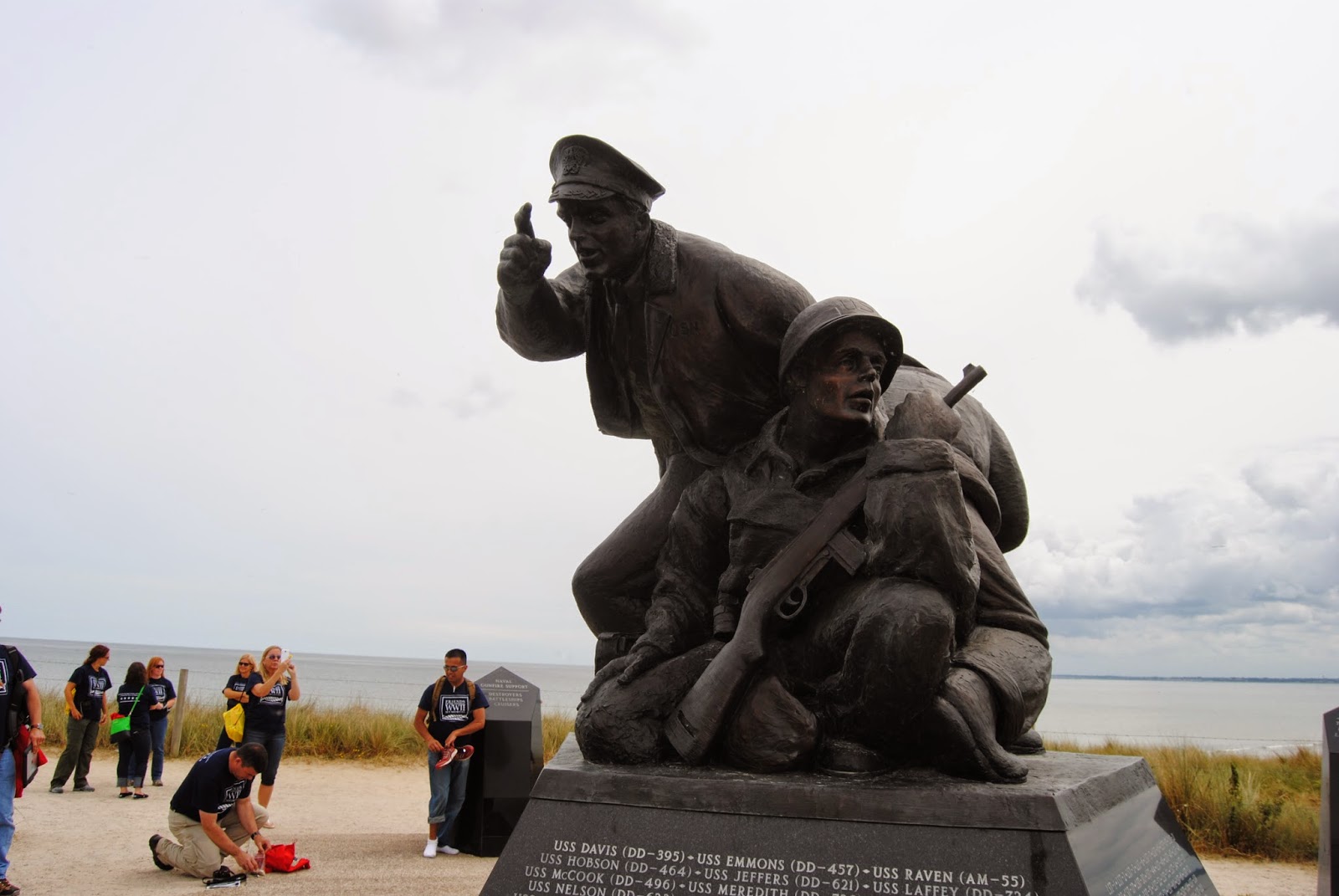
This monument recognizes the role that the Navy played in the battle, including a list of all the landing craft utilized during the invasion.


This is the monument to the 4th Division.


The Utah Beach Museum also overlooks the bluff and tells the story of the German Occupation.

A landing craft

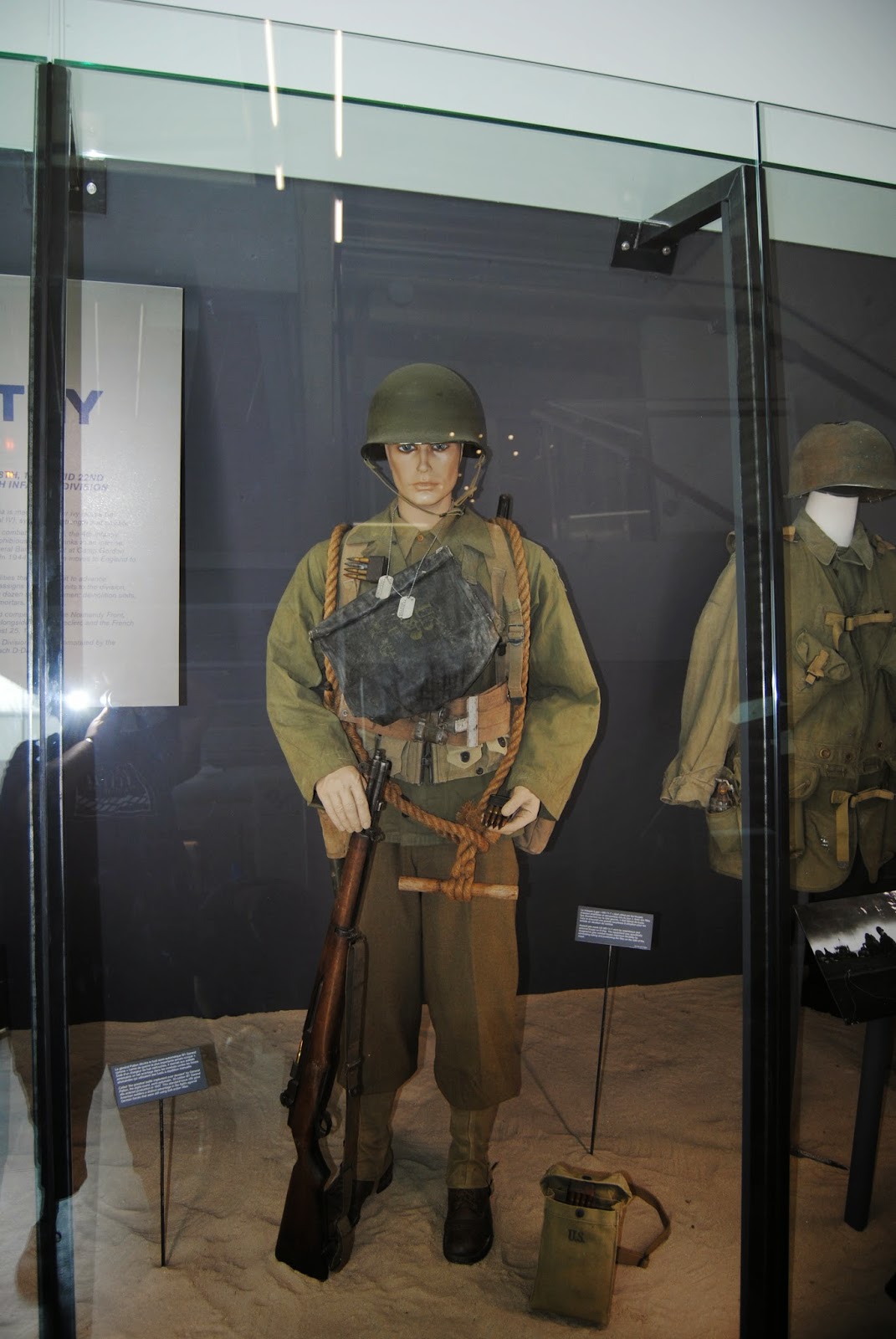
An infantry soldier, such as the 12th Regiment Infantry, which was Eston's Regiment


A section detailing the push toward Cherbourg


Information about the medical side of the Invasion, which interested me as I thought about what Eston may have went through after being wounded.


A hangar with aircraft and information about the Air Corp's role in the landings


A Water Buffalo