Sunday, August 10, 2014

NI Photowalk - The Grand Bunker Museum

Our second stop on our arrival day was this Museum, privately operated, and built into one of the bunkers that the German's constructed along the French coast as part of their Atlantic Wall, their defenses for an invasion across the English Channel.  While there were some formidable structures built, the Atlantic Wall was not as complete as the Nazis would have people to believe.


This sign shows what the Grand Bunker would have looked like on D-Day.
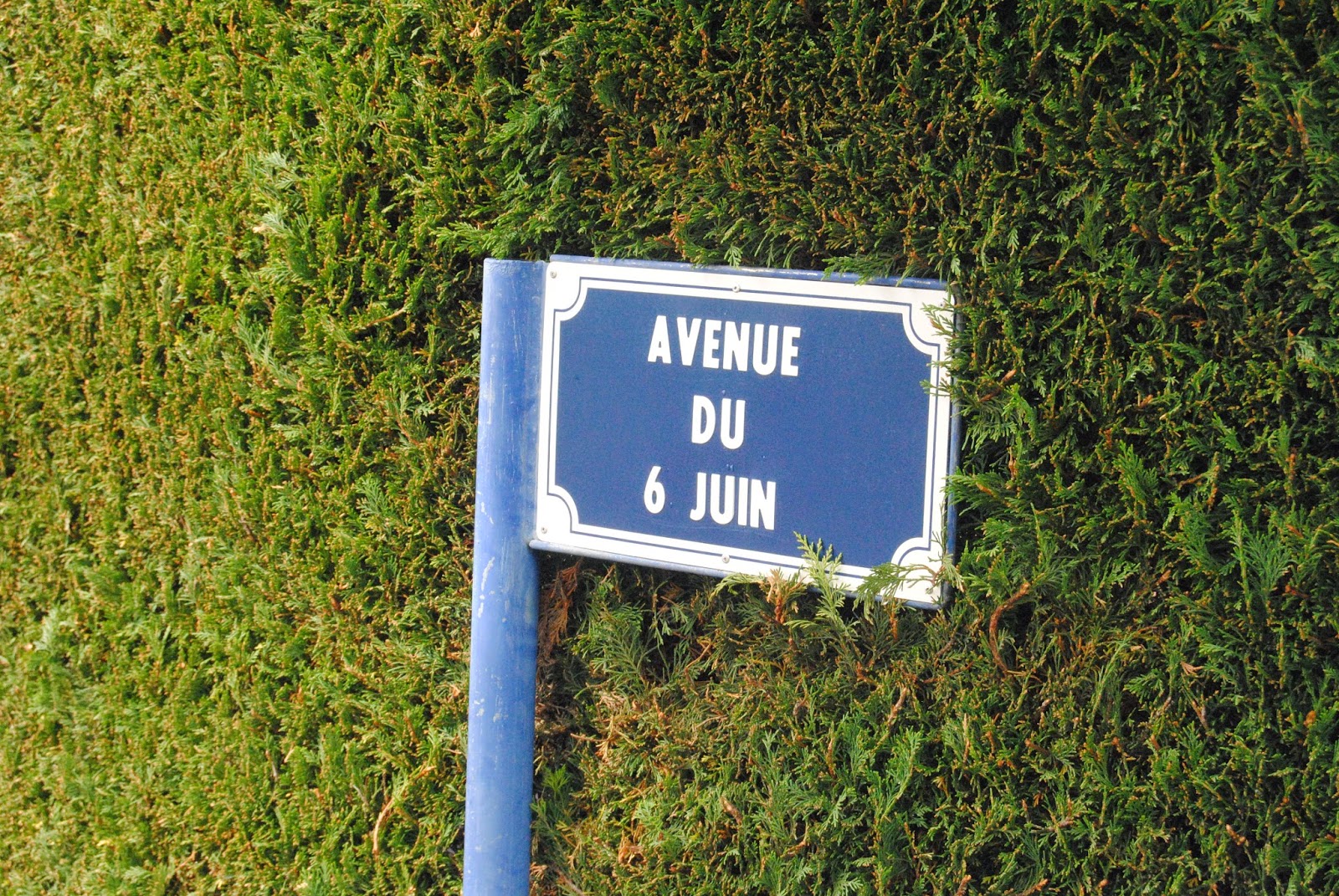
The name of the street where the Grand Bunker is located is June 6 Avenue, commemorating D-Day.


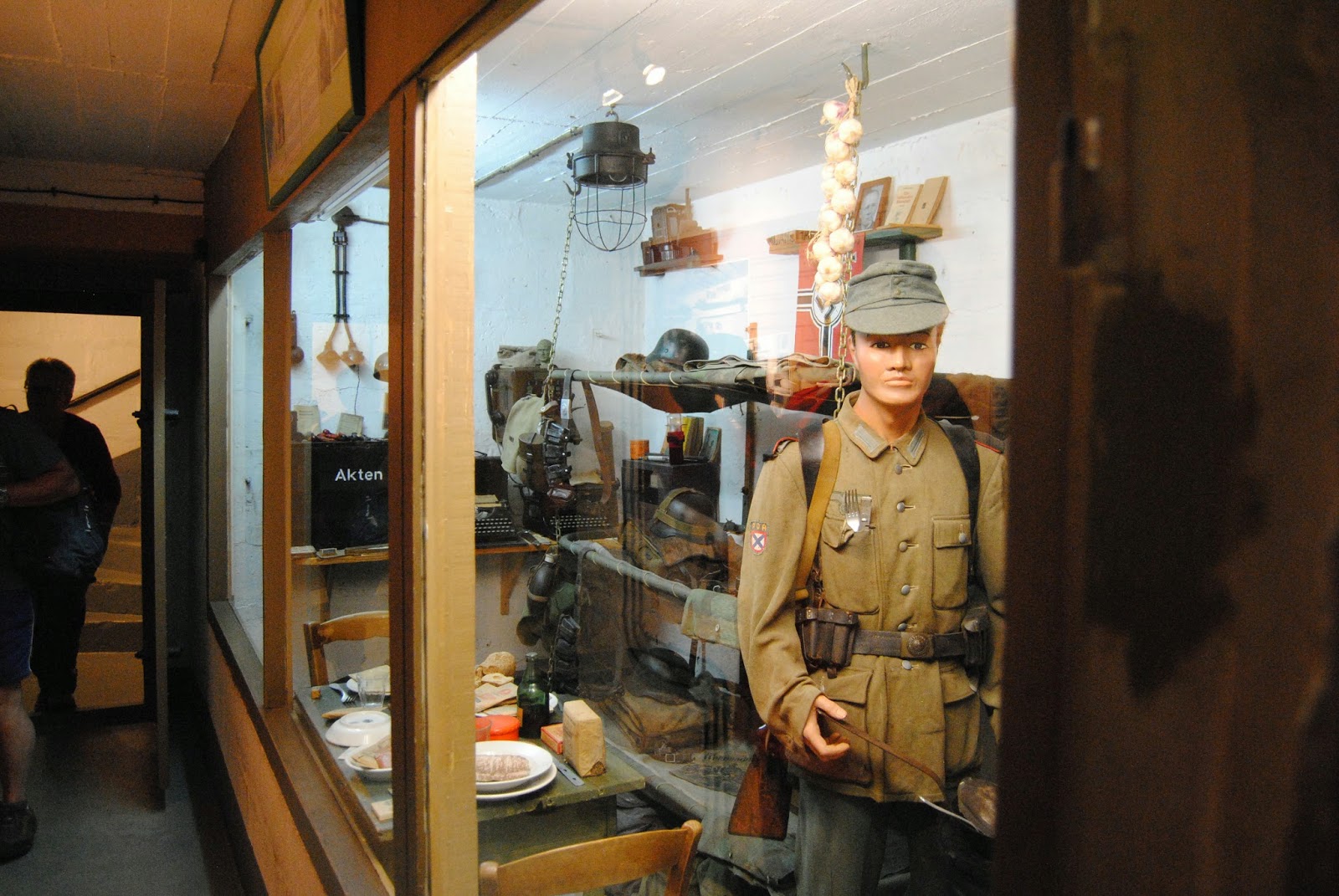
The majority of the interior of the museum was dedicated to showing what it would have looked like occupied, complete with wax figures.  There weren't many labels to explain things in more detail, but most objects were self-explanatory.


One of my favorite exhibits here was this model of the beach fortifications.  While most of it would have been covered by water at high tide, the model have a good view of what the invading forces would have faced as they stormed the beaches.


The highlight of the Museum was the view from the bunker.  Using the viewer, soldiers would have kept watch on the beach for invaders.  If they saw enemies, from the bunker, they would have radioed the various artillery bases to give them shooting coordinates.  Looking through the viewer, one could see details of people standing on the beach.


There were several vehicles parked outside the Museum.  I don't know if they were authentic or just replicas.  So much of the equipment was abandoned after the war, and much of it was salvaged by locals.  However, I also felt like the residents of the area took advantage of tourists by displaying the vehicles and other artifacts.


Thursday, July 10, 2014

NI Photowalk: Pegasus Bridge


Our first stop in France was the Pegasus Bridge and its nearby museum.
This bridge was captured by British glider forces early in the morning of June 6, 1944.  The regiment was called the Pegasus Regiment, so the bridge has taken its name from the unit.

The bridge that crosses the canal today is a replica of the original.  The original had to be replaced in order to handle the weight of modern traffic.


This was one of two essential bridges for the Allies to capture in order for the troops to get off the beaches and move inland.  These small victories allowed the British and Canadian troops to begin moving toward Caen.

All of Normandy seems like one big museum.  There are pieces of artillery all over the place, and it seems like every building has some piece of the story connected to the war.

Before visiting the museum, we did stop at this cafe for lunch, the same house some of the British soldiers ate at on D-Day.


The original bridge sat in a field for awhile, and then the museum bought it from the country of France for 1 Euro.  

You can still see bullet holes in the steel of the bridge.

They have replaced the road bed with steel - it was originally oak, and they extended the bridge before replacing it.


The country side is still pretty much like it was the day of the landings.

The Museum included a replica of a glider plane.  They were made of wood and landed in farmer's fields.  The farmers would salvage what they could, and then burn the rest.

The stripes were painted on the wings of Allied planes so that ground forces would know the difference between Allied planes and Axis planes.

The tires on the replica are original.  These a farmer had taken and used on his tractor.  He sold them back to the Museum.

Extra supplies would be stored in these compartments in the wings.

A motored plane would tug the glider, and then release the cable.  It became illegal for pilots to cut the tow cable early.
The photographer in me enjoyed the exhibit on the military press corps that covered the invasion.

I want to collect cameras.

Brigadier James Hill

A memorial to the Pegasus Regiment
This is an example of the temporary bridges that the Allied Engineers built to handle to amount of traffic that was streaming into France after the initial invasion.